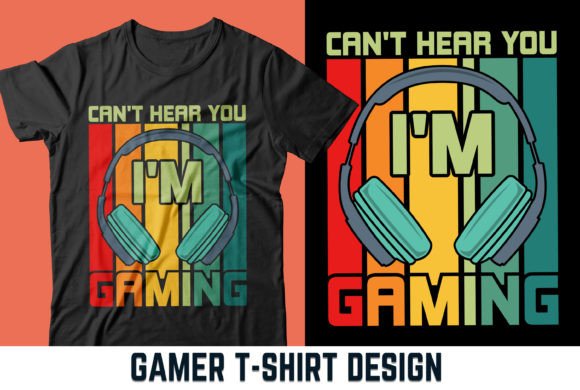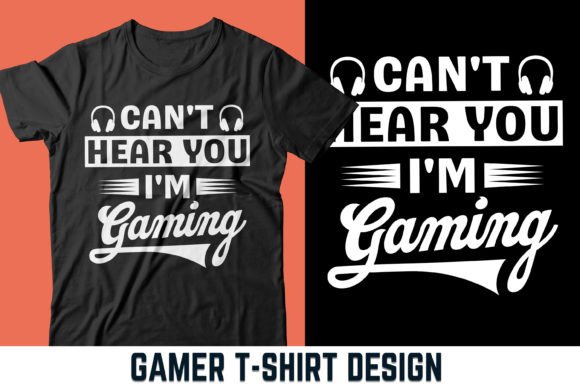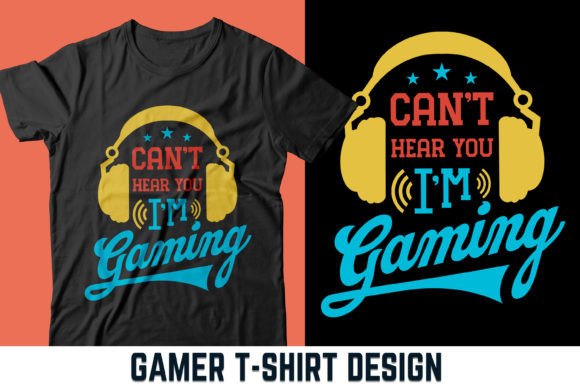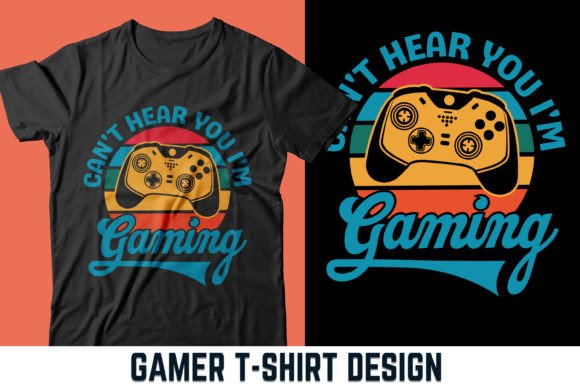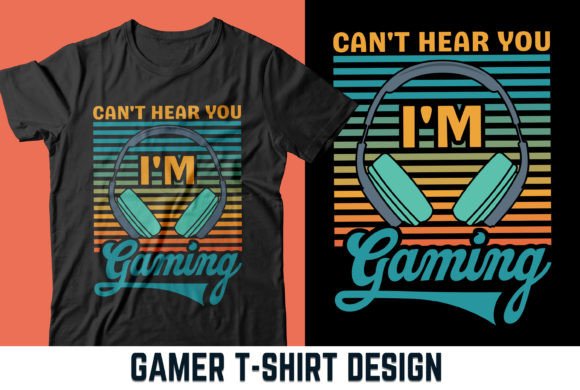
Can’t Hear You, I’m Gaming T-Shirt V1: A Practical Guide for Print-on-Demand Creators
If you design merchandise for gamers, you already know how important it is to offer visuals that feel genuine to the community. The Can’t Hear You, I’m Gaming T-Shirt V1 design file is built exactly for that purpose. It gives you a bold, playful statement piece that resonates with anyone who takes their gaming sessions seriously. But a great design is just the starting point. To get real results—whether you’re stocking your own online store or adding a new listing to a print-on-demand platform—you need to understand how this digital asset fits into your complete creative and production workflow.
This article walks through the file’s contents, practical implementation steps, compatibility with the tools you already use, and how to keep your process efficient from download to final sale. You won’t find fluffy marketing talk here. Instead, we’ll focus on clear, usable information that helps you integrate this design into your business or hobby without guesswork.
What’s in the File: Understanding the Assets You’re Getting
When you purchase the Can’t Hear You, I’m Gaming T-Shirt V1, you receive a single ZIP file containing multiple formats. Each one serves a specific role in your workflow. Knowing what’s inside saves time and prevents frustration later.
- EPS 10 and AI 10 files: These are fully editable vector sources. All elements are built with 100% vector shapes, which means you can scale the design to any size without losing quality. Change colors, adjust spacing, or modify individual parts quickly.
- PNG file (4500×5400px, 300 dpi): A high-resolution raster version ready to drop into mockups or upload directly to most print-on-demand platforms. The transparent background makes it easy to position over different apparel colors.
- JPEG preview: A quick reference image so you can see the design at a glance without opening heavy software.
Everything arrives inside a compressed folder. You’ll need to extract the contents using a tool like WinZIP, WinRAR, or simply double-clicking the ZIP file on newer operating systems. Keep the original ZIP as a backup, then organize the extracted files into a clearly named project folder.
Integrating the Design into Your Print-on-Demand Workflow
For most sellers, the real work begins after download. The Can’t Hear You, I’m Gaming T-Shirt V1 is intentionally built to slide into a process you probably already have in place—or to help you create one with minimal friction.
Step One: Preparing Your Workspace
Start by creating a dedicated folder structure on your computer. Something like Assets > Gaming Designs > Can’t Hear You Gaming V1 works. Store the extracted files there along with any mockups, platform guidelines, and color profiles you plan to use. This small organizing step prevents accidental overwrites and makes the design easy to find months later.
Step Two: Customizing Colors and Details
Open the AI or EPS file in Adobe Illustrator, Affinity Designer, or CorelDRAW. The “Easy to change colors” note in the product description is accurate—since the design uses vector shapes, you can select individual elements and apply new fills in seconds. If you’re not experienced with vector software, the high-resolution PNG still gives you plenty to work with. Tools like Canva or Photopea allow basic color adjustments on raster images using hue/saturation layers or color overlay effects, though editable vectors offer more flexibility.
Consider your target audience when recoloring. A gaming community often responds well to neon palettes, high contrast, or subtle dark tones. Test a few variations against different shirt backgrounds before committing to a final version.
Step Three: Mockup Generation and Quality Control
No one buys a shirt based on a flat design file. Use the PNG file to place the design onto realistic apparel mockups. If you have Photoshop, smart object templates make this task fast. For those without Adobe tools, services like Placeit or Smartmockups offer browser-based mockup creation. Place the design, scale it to a printable width (typically 10–12 inches wide for adult tees), and check that the resolution remains crisp at 300 dpi.
At this stage, double-check the color mode. The file uses RGB, which is standard for digital display. However, printing processes often work in CMYK. Convert a copy to CMYK within your design software to see how colors shift, and if necessary, tweak saturation or brightness to maintain the intended look on physical products. Most print-on-demand platforms accept RGB files and handle conversion internally, but previewing the shift reduces surprises.
Step Four: Uploading to Print-on-Demand Platforms
The real power of this design emerges when you list it on platforms like Printify, Redbubble, Merch by Amazon, Teespring, or Spreadshirt. Each platform has its own template sizes, but the 4500x5400px PNG covers the required resolution comfortably. When you upload, you’ll usually position the design within a printable area overlay. Because the background is transparent, the design floats cleanly on any garment color without awkward white boxes.
One file can generate multiple product listings. The same design works on t-shirts, hoodies, mugs, pillows, phone cases, and tote bags. Adjust the scale for smaller items (a mug print area might need a 3-inch width) and upload separate versions if needed. The vector files give you the freedom to rearrange elements for horizontal or vertical layouts without pixelation.
Long-Term Use and Asset Management
Once you’ve listed your product, the design file doesn’t lose its value. Many creators use the same core graphic across seasonal campaigns, limited-edition colorways, or bundle offers. Because the Can’t Hear You, I’m Gaming T-Shirt V1 is vector-based, you can return to the AI or EPS file months later and quickly adapt it to new trends without starting from scratch.
To keep your workflow efficient, save a master version of the vector file with all layers intact. Any time you create a new variation, duplicate the master first. This habit protects the original work and gives you a reliable reference point. Also, maintain a changelog in a simple text file if you collaborate with other designers—note which colors you used and why, so team members can pick up where you left off.
Compatibility Across Tools and Teams
The included file formats cover a wide range of user skill levels and software preferences:
- Professional designers can open the AI/EPS files in Adobe Illustrator or CorelDRAW to access every layer and perform advanced edits.
- Freelancers and small business owners who use Canva or easier tools can work directly with the PNG, adding text overlays or combining it with other graphics.
- POD beginners can upload the PNG as-is, knowing the resolution meets the most demanding print standards.
If you’re handing the design off to a print partner who requests a specific file type, you have the flexibility to export from the vector source into SVG, PDF, or other formats without quality loss. This reduces back-and-forth communication and keeps production timelines short.
Using the Design Beyond Apparel
While “t-shirt” is in the name, thinking broader multiplies the design’s value. The gaming niche extends to home décor, accessories, and digital goods. The same vector file can be printed on:
- Pillows and blankets for game room setups
- Mouse pads and desk mats
- Stickers and laptop skins
- Posters or canvas prints
Each product category has its own dimension requirements. The vector source makes resizing trivial. For a poster, you might want a larger canvas; simply create a new document at 18×24 inches, place the vector, and scale up. The shapes remain crisp because vectors are resolution-independent.
Whose Workflow Is This For?
The Can’t Hear You, I’m Gaming T-Shirt V1 fits naturally into several types of creative and commercial environments:
- Solo entrepreneurs running print-on-demand stores who need ready-to-use designs that don’t require graphic design skills.
- Graphic designers building a portfolio of gaming-themed assets for clients.
- Merchandise managers for gaming communities or esports teams who need to quickly produce promotional items.
- Bloggers and content creators who offer branded merch to their audience and want a consistent, relatable style.
Because the design communicates a clear, humorous message, it performs well in impulse-buy scenarios. A gamer sees “Can’t Hear You, I’m Gaming” and identifies with the sentiment immediately. This emotional connection often translates to higher conversion rates on platforms where browsing is casual. Pairing the design with well-chosen mockups that show lifestyle scenes (a person at a gaming desk, on a couch with a controller) can further reinforce the context.
Common Pitfalls and How to Avoid Them
Even straightforward files can trip up newcomers. Here are a few practical observations gathered from creators who regularly use digital t-shirt designs:
Ignoring file extraction: Sometimes people try to open the ZIP preview without extracting. Always extract the full folder first. The AI/EPS files need full directory paths on some systems to display correctly.
Using the JPEG for print: The JPEG is a low-resolution preview. Never upload it to a print platform. Stick to the PNG for raster needs and vector formats for editing.
Skipping color checks: Neon green on screen might print dull on fabric. Take ten minutes to soft-proof the design using a CMYK preview in your software, or order a sample print before scaling up your marketing.
Forgetting to check platform alignment tools: Most POD sites provide alignment guides. Even a well-prepared PNG can look off-center if you ignore their placement grids. Zoom in and use the arrow keys to nudge the design into perfect position.
How This Asset Interacts with Other Design Resources
You’re rarely working with a single design in isolation. The Can’t Hear You, I’m Gaming T-Shirt V1 can sit alongside your other gaming assets, typography packs, or background textures. For example, you might use the vector file as the main focal point and complement it with a subtle neon grid texture behind the text. Or you could pair it with a popular game-inspired font to create a cohesive collection. The editable nature of the file means you can adjust the existing lettering or spacing to match a brand guideline without redesigning from scratch.
Because mockups aren’t included, you’ll need to source those separately—either from free repositories or premium template kits. Investing in a good set of mockups with smart objects will streamline your workflow dramatically, allowing you to drop in the PNG and generate multiple product views in minutes.
Consistency and Quality Across Multiple Listings
When you sell across several platforms, maintaining a uniform brand presence builds trust. Use the same version of the design on each product type, sized appropriately. If you recolor the design for different store sections, document the exact hex codes or CMYK values so you can reproduce them later. This consistency signals professionalism and helps customers recognize your style as they browse.
Keep a folder of “production-ready” PNGs that have already been color-checked and cropped to common POD saze requirements. That way, when a new platform opportunity appears, you can upload and publish in minutes instead of redoing prep work.
Final Thoughts on Putting the Design to Work
The Can’t Hear You, I’m Gaming T-Shirt V1 isn’t just a graphic—it’s a time-saving building block for anyone in the gaming merchandise space. By understanding the files, treating them as part of a repeatable system, and handling the technical details like color conversion and mockup placement, you move from a simple file download to consistent product listings that sell. The real value shows up when you can adapt one design across multiple products, seasons, and platforms without ever losing quality or wasting hours on repetitive tasks.
Whether you’re launching your first t-shirt or expanding an established catalog, weaving this asset into a clear workflow will keep your operations smooth and your designs looking exactly how you intended.