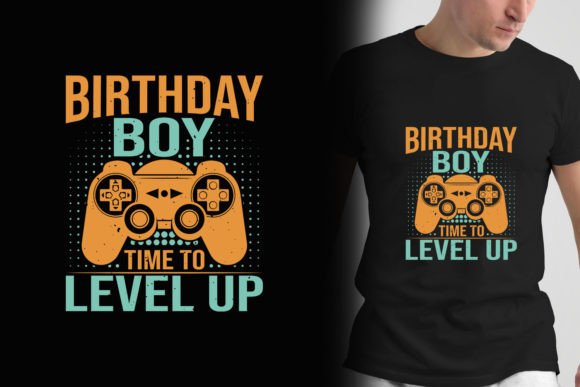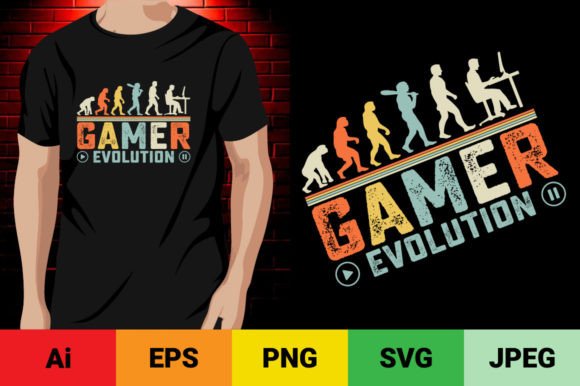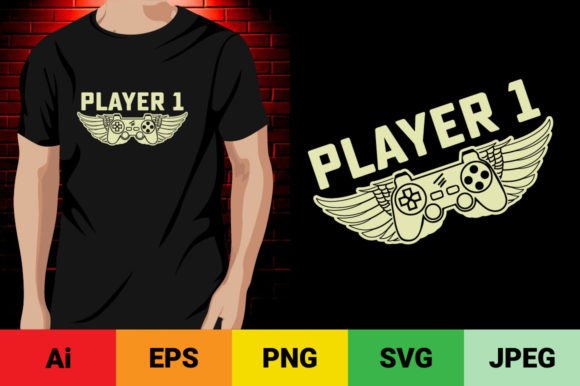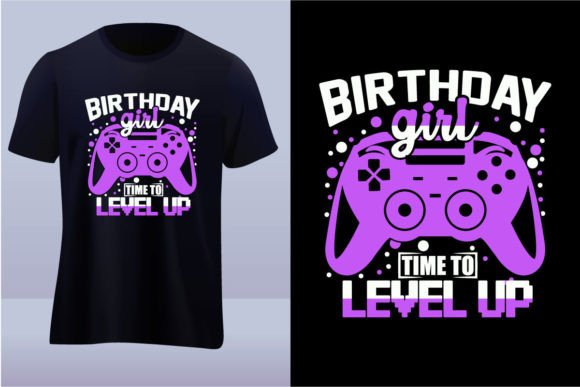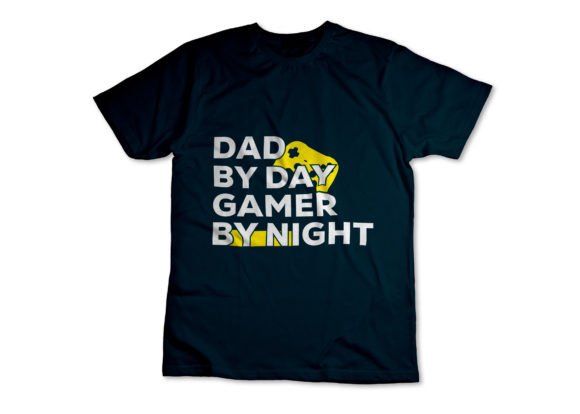
Online Video Gaming T-shirt Design Guide
An online video gaming T-shirt design does more than print a controller or a familiar slogan onto fabric. It captures the culture, energy, and shared language that millions of players bring to screens every night. These designs pull from retro arcade aesthetics, modern esports branding, streamer catchphrases, and deeply nested in-game jokes that only certain communities understand. The result is something wearable, personal, and often surprisingly versatile far beyond clothing.
What the design package actually includes
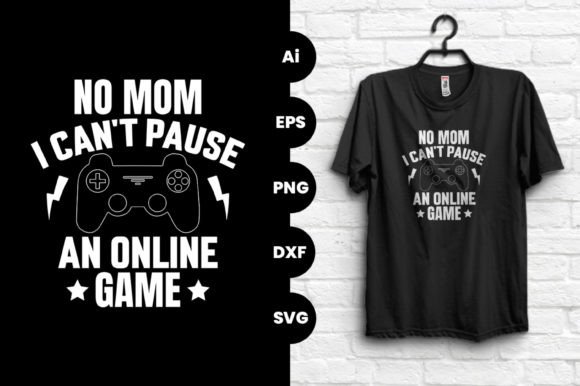
When someone offers an online video gaming T-shirt design bundle, the value lives in the production-ready structure behind the artwork. Instead of a single flat image, you receive a carefully organized collection of 100 print-ready files. These span several industry-standard formats — Ai, Eps, DXF, PNG, and SVG — so you are not locked into one editing tool or printing method. The PNG file arrives at 4500×5400 pixels with a transparent background, which makes it immediately usable for dark garments, light fabrics, mugs, or decals without additional cleanup. High resolution means crisp edges at any typical print size, and transparent PNG gives you placement freedom that flattened JPEGs cannot match.
This format variety matters differently depending on what you plan to create. A hobbyist cutting heat-transfer vinyl needs a clean SVG or DXF. A print shop running direct-to-garment equipment might prefer the oversized PNG. A designer who wants to tweak colors or layer elements will reach for the Ai or Eps file. Each file type speaks to a different step in a creative workflow.
Why different people care about the same artwork
A single online video gaming T-shirt design can look entirely different through the eyes of a small business owner compared to a weekend crafter. The business owner scans for commercial licensing clarity, file scalability, and how easily the design adapts across products — shirts, mugs, bags, decals, card making, and more. The crafter focuses on immediate creativity, wondering how the design will look on a cotton tote or layered onto a birthday card. Both find the same set of files useful, but the priorities sit worlds apart.
For marketers and content creators, the appeal often shifts toward brand storytelling. A streamer might print a batch of shirts for a subscriber milestone. A blogger running a gaming niche site might use the design on printable sheets for a reader giveaway. The flexibility of multiple file types allows the same graphic to appear on a YouTube thumbnail mockup, a physical product shot, and a Pinterest pin without degradation.
Beginners and ease of use
If you have never worked with print-ready files before, the transparent PNG is your safest starting point. Open it in any basic editing software, drop it onto a shirt template, and you instantly see how the placement works. There is no font hunting, no layer management, no vector path confusion. The high resolution means you can scale down without losing quality, even if you are still learning about DPI. Many beginners use these designs for personal gifts — a custom hoodie for a sibling’s LAN party, a personalized mug for a gaming buddy — because the learning curve stays gentle.
Educators also appreciate that gentle entry point. A technology teacher introducing design concepts can hand students a ready-to-use gaming-themed graphic and focus on layout principles rather than illustration skills. The transparent background removes one of the most common early frustrations, letting learners concentrate on composition and color contrast instead of erasing backgrounds manually.
Experienced creators and deeper needs
Professional designers and experienced crafters evaluate an online video gaming T-shirt design differently. They will open the Ai or Eps file and inspect anchor points, stroke consistency, and layer organization. A well-built vector file lets them recolor elements, isolate specific parts of the composition, or combine graphics from multiple sources into a new piece. The DXF file becomes critical for anyone using cutting software — vinyl plotters, laser engravers, and some embroidery digitizing tools depend on clean path data.
These users rarely treat the design as a finished endpoint. Instead, they treat it as a modular asset. One designer might extract a gamepad silhouette for a laptop skin, then use the full composition on a backpatch. Another might scale the artwork for a large wall decal in a gaming room. The existence of editable vector formats signals a package built for remixing, not just one-time pressing.
Practical applications beyond the T-shirt
The product description lists several surfaces, but the real scope expands further once you understand the file types. Think about small-run entrepreneurs who sell at local markets or through print-on-demand storefronts. They need artwork that translates consistently across product catalogs. A design that holds up on a shirt collar label also needs to work on a ceramic mug’s curved surface and a flat phone case. Having both raster and vector options means fewer order samples and fewer customer complaints about blurred prints.
- Shirts and apparel: Heat transfer vinyl, screen printing, direct-to-garment, sublimation on polyester blends.
- Mugs and drinkware: Sublimation mugs, adhesive vinyl application, UV printing on tumblers.
- Bags and accessories: Canvas totes, drawstring backpacks, cosmetic pouches with printable surfaces.
- Decals and stickers: Die-cut vinyl decals for cars, laptops, water bottles, and gaming console skins.
- Paper crafts and stationery: Card making, scrapbook elements, printable gift tags for gaming-themed presents.
- Home decor: Framed prints, canvas wraps, pillow inserts, and even etched glass using the SVG for stencil cutting.
Commercial value and licensing awareness
Freelancers and small business owners often search for online video gaming T-shirt designs with one quiet question in the background: "Can I sell this?" The answer depends on the included license terms, which vary by seller. The "use for any purpose" phrasing in this offering is intentionally broad, but responsible commercial users still verify what that covers — physical product sales, print-on-demand integration, digital redistribution as-is, or modification rights. Reading the license before uploading to a store prevents disputes later.
Publishers running online stores or niche subscription boxes value long-term usefulness. A design that feels dated after a single season loses its investment value. The best gaming-themed artwork leans on visual language that persists — pixel art callbacks, controller silhouettes, abstract energy lines — rather than memes with a short half-life. This longevity makes the bundle suitable for evergreen inventory rather than trend-chasing.
Quality, resolution, and presentation standards
The specified 4500×5400 pixel dimensions at high resolution create a roughly 15×18-inch print area at 300 DPI. That comfortably covers standard T-shirt print sizes, most bag faces, and common mug wrap dimensions. When you drop a transparent PNG of this size into a mockup, the edges stay clean against any background color. No white boxing, no halo artifacts, no awkward clipping paths that betray rushed preparation.
Consumers buying a pre-printed item may never see these technical details, but they absolutely feel the outcome. A shirt that emerges from the wash with crisp, unfaded lines earns repeat purchases and word-of-mouth recommendations. A mug where the graphic aligns seamlessly around the curve without distortion feels premium. The file preparation work, invisible to the end buyer, directly shapes their satisfaction.
How hobbyists turn designs into meaningful projects
Hobbyists often find themselves at a creative intersection — part maker, part gift-giver, part personal archivist. An online video gaming T-shirt design becomes a tool for marking occasions. Someone might print matching shirts for a family game night, create recovery anniversary gifts for a friend who found community in online gaming, or make memorial decals for a gaming group that lost a member. These deeply personal uses rarely show up in marketing copy, but they matter enormously to the people creating them.
Card making deserves a special mention. The transparent PNG drops beautifully onto digital card templates. A gaming-themed birthday card with a carefully placed headset graphic or retro joystick illustration communicates thoughtfulness beyond a store-bought greeting. Because the files come print-ready, the hobbyist skips the technical struggle and goes straight to the emotional layer of making.
Different priorities across experience levels
| Concern | Beginner view | Experienced view |
|---|---|---|
| Speed | Can I drag and drop right now? | How fast can I batch-import these into my template system? |
| Cost | One-time purchase worth it for a single project? | Cost per file across 100 assets and potential reuse cycles |
| Flexibility | Will it work on a dark shirt? | Can I recolor, isolate layers, and export for sublimation? |
| Learning value | Can I practice placement and sizing? | Can I study construction techniques within the vector files? |
| Reliability | Will my print look like the preview? | Are paths closed and spot colors named for production? |
Matching the design to your specific goals
Before downloading, take an honest inventory of what you are trying to accomplish. If you need a single image for one shirt, the transparent PNG alone might suffice. If you plan to launch a small product line around gaming culture, the full bundle with editable vectors and DXF becomes essential. If you teach others how to make, the file variety supports demonstrations across multiple software environments without additional purchases.
Demonstrate your own project path mentally. A marketer might imagine the design as a lead magnet on a landing page, printed on limited-run hoodies. A freelancer might see a stream overlay mockup for a client pitch. A parent might simply want to surprise a teenager with a custom backpack tag. The same 100 files serve all three without contradiction, because the versatility is embedded in the format choices rather than a single rigid output.
Why transparent backgrounds change workflow
Non-designers often underestimate how much friction a non-transparent image introduces. Removing a background from a complex gaming graphic — with glows, overlapping elements, and subtle gradients — takes skill and time. Receiving a file with transparency built in preserves those delicate edges perfectly. This matters for decal cutting as much as apparel placement. A sticker contour that follows the graphic's natural shape looks professional. A rectangular white border around the same graphic often looks rushed. Transparency is the quiet detail that separates polished output from amateur production.
Bringing it all into real projects
The true test of any online video gaming T-shirt design happens not in the preview window but on the finished product. A design that reads clearly across a room, holds up through repeated washing, and translates from screen to mug to tote bag proves its preparation quality. The file variety removes common roadblocks — no converter tools needed, no emergency tracing in software, no compromising on product types because the format does not play well with the production method.
Creators, marketers, educators, small business owners, and everyday consumers all approach this resource with different intentions, but they share one quiet hope: that the artwork does the heavy lifting so they can focus on the project's meaning. Whether that meaning is profit, learning, community, or simple personal joy, a well-prepared design bundle earns its place in a digital toolbox.