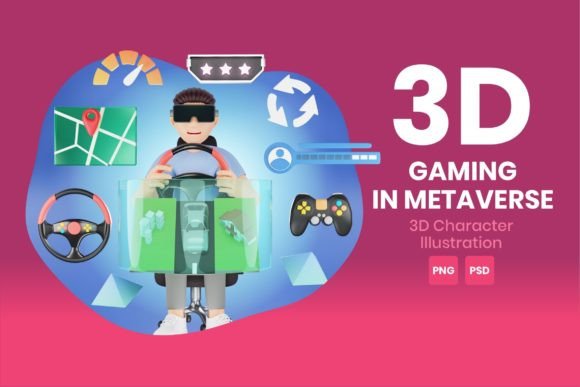
The Gaming in Metaverse 3D Character: Your Digital Identity in a New Universe
The digital worlds we inhabit are becoming richer and more complex, evolving from simple game lobbies into persistent, expansive social spaces. At the heart of this transformation is the Gaming in Metaverse 3D Character. This is not merely a cosmetic skin or a pre-designed avatar; it is a sophisticated, customizable digital representation that serves as your passport, your persona, and your creative canvas within interconnected virtual environments. Its relevance stems from a fundamental shift: gaming is no longer just about the gameplay, but about the experience, expression, and community built around it.
Beyond the Avatar: The Evolution of Player Identity
For years, players selected avatars from a limited roster. Today, the expectation is ownership and agency. A Metaverse 3D Character is a player-owned asset, often interoperable across platforms and customizable to an unprecedented degree. This evolution mirrors broader trends in user expectations and digital lifestyles. Professionals and creators see these characters as tools for virtual networking and brand expression. Hobbyists view them as a core part of their leisure identity. The demand for high-quality, unique digital selves is driven by the desire for authentic self-representation in spaces where social interaction, commerce, and entertainment converge.
The technology enabling this is more accessible than ever. Advanced 3D modeling tools, real-time rendering engines, and blockchain-based ownership systems allow for the creation, trade, and customization of intricate characters. This has democratized a field once reserved for expert developers. Now, entrepreneurs and freelancers can commission or create bespoke characters to represent their services in virtual marketplaces, while educators might use distinctive avatars to engage students in immersive learning modules.
The Creative and Technical Foundation: High-Quality Assets
The quality of the underlying assets defines the potential of any Gaming in Metaverse 3D Character. This is where practical implications for creators and businesses become clear. High-quality renders, especially in 4K with PNG transparency, are not just aesthetic niceties; they are functional necessities. They ensure the character appears crisp and professional across diverse applications—from a VR meeting platform to a promotional banner on a website.
The inclusion of PSD files represents a significant shift in creative workflow. It empowers users beyond simple usage. A blogger or marketer, for instance, can adapt character illustrations for specific campaigns. A hobbyist can tweak colors or add personal insignias. This move from static assets to editable, layered source files speaks to a market preference for flexibility and long-term utility. It acknowledges that a character’s life extends beyond a single game—it might be used in video content, social media, digital art, or as a template for further innovation.
Thrilling Action and Creative Fun: Designing for Experience
The phrase "Experience the Future of Gaming 3D Character Illustration" points to a dual design philosophy. The illustration must convey thrilling action—dynamic poses, expressive animations, and a sense of capability that fits within high-energy virtual worlds. Simultaneously, it must embody creative fun—the whimsy, personality, and imaginative potential that encourages social play and personal expression. This balance is critical. A character designed solely for combat might feel restrictive in a virtual concert or collaborative building space. Modern metaverse experiences are multi-faceted, and the characters must be adaptable to them.
For professionals looking to engage audiences, this means commissioning or selecting characters that are not generic. A character poised in a unique, action-ready stance while also displaying customizable, fun accessories can serve multiple narrative and marketing purposes. It becomes a versatile asset for storytelling.
Practical Implications for Users and Creators
The arrival of sophisticated, asset-rich Metaverse 3D Characters changes how various stakeholders operate. For everyday users and gamers, it means taking more time to curate their digital presence. Your character’s style, provenance, and capabilities can affect social standing and access within certain communities. It’s an extension of personal branding.
For creators and 3D artists, the demand creates new opportunities but also new standards. Clients now expect not just a model, but a package: the high-resolution renders for immediate use, and the editable files for future adaptability. This aligns with modern freelance and business workflows where deliverables must be comprehensive and reusable. An illustrator providing a character with a 4K PNG and PSD files is offering a product with lasting value, not a one-off image.
Businesses and marketers exploring the metaverse must consider these characters as more than mascots. They are potential interfaces. A company’s representative character in a virtual expo must be of the highest visual quality to convey professionalism, and its design (action-oriented or creatively fun) must align with the brand’s message. The transparent PNG file allows for seamless integration into various digital backgrounds, a small but crucial technical detail for campaign flexibility.
Integration into Current Trends and Workflows
This topic fits naturally into several concurrent shifts. The rise of remote collaboration has made virtual meeting spaces commonplace, increasing the need for a professional yet personalized 3D presence. The growth of the creator economy sees individuals leveraging unique digital identities to build followings across platforms. Even lifestyle shifts toward digital-native leisure underscore the importance of a character you resonate with.
Observing the market, recommendations are straightforward. For users: invest time in choosing or creating a character that truly represents you, considering its potential uses beyond a single game. For creators: develop asset packages that include both final, high-quality renders and editable source files to meet the full spectrum of client needs. For businesses: view these characters as strategic assets for community building and brand immersion in virtual spaces, ensuring they are crafted with both aesthetic excellence and functional adaptability.
A Grounded Look at the Future
The future of gaming and virtual interaction will undoubtedly involve more persistent worlds and deeper social integration. The Gaming in Metaverse 3D Character will be central to that experience. Its evolution will likely focus on greater interoperability, more intuitive customization tools, and perhaps even AI-driven personalization. However, the core need will remain: a high-fidelity, personally meaningful digital identity that functions across the varied scenarios of the metaverse—from thrilling competitive action to creative, collaborative fun.
This is not about hype or inevitable revolution; it’s about a gradual, practical enhancement of how we interact digitally. The tools, like the 4K renders and PSD files included with premium character assets, are already here, enabling professionals, creators, and everyday enthusiasts to participate in and shape this emerging layer of our online lives. The focus should remain on the tangible: creating, selecting, and utilizing these characters in ways that enhance connection, expression, and utility today.