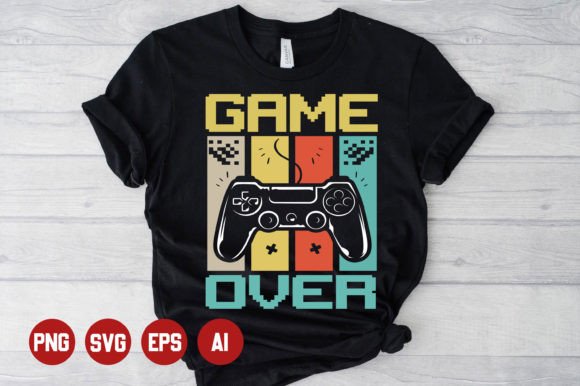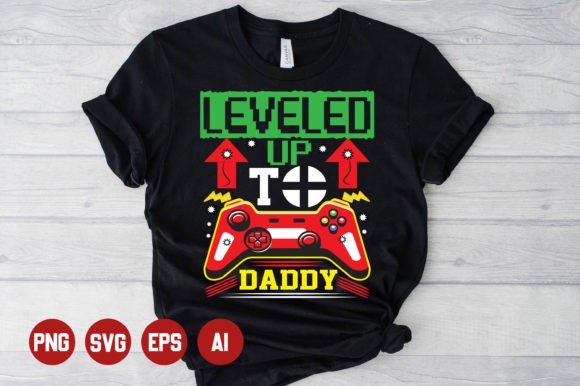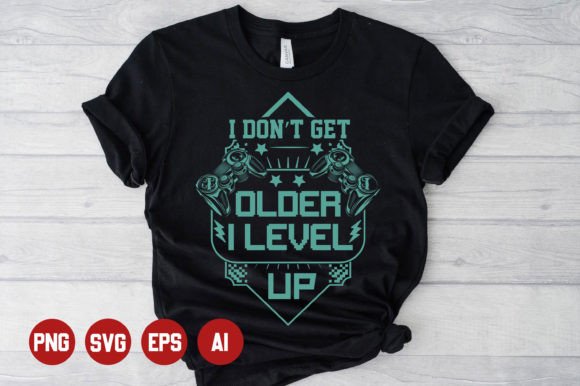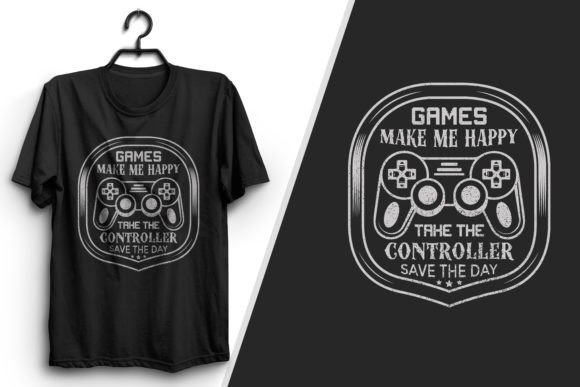
Understanding Gaming T-Shirt Design-4: A Versatile Digital File for Custom Apparel
Custom t-shirt design has grown beyond simple screen printing or ordering pre-made shirts from a catalog. For crafters, small business owners, event organizers, and individuals who want total creative control, a high-quality digital design file can be the foundation of many projects. Gaming T-Shirt Design-4 is one such file—a ready-to-use, fully editable graphic intended for heat transfer, sublimation, direct-to-garment printing, and a wide range of other applications. Before downloading any digital asset, it helps to understand exactly what you’re getting, how it compares to other options, and when it makes the most sense for your project.
What Makes Gaming T-Shirt Design-4 Different?
At its core, Gaming T-Shirt Design-4 is a vector-based digital illustration, delivered in industry-standard formats: AI, SVG, EPS, and a high-resolution PNG. Unlike a simple JPEG or a low-res clipart file, this package is built for professional-grade output. The vector files mean you can scale the design from a small emblem on a pocket to a full-back graphic without any loss of quality. The 300 dpi resolution ensures crisp edges whether you’re printing on cotton, polyester blends, canvas, or even stickers and cards.
Another key distinction is the color-change capability. Every element in the file can be recolored, so the same design works for a neon gaming tournament shirt or a subtle pastel version for a family event. The fully editable layers let you remove components, add text, or adjust compositions. For anyone who has struggled with a rigid, pre-colored PNG that doesn’t match a team palette or a specific theme, this flexibility is a practical advantage.
Comparing Digital Design Files to Ready-Made Shirts
Choosing between a downloadable design and an already-printed t-shirt depends on your goals, timeline, and equipment. Here’s how the two approaches stack up in real-world scenarios:
- Upfront cost and per-unit savings: A digital file is a one-time purchase. If you need five matching shirts for a gaming squad or a family reunion, the cost per shirt is often lower than buying individual pre-printed tees, especially once you factor in reusable transfer materials.
- Creative control: Ready-made shirts lock you into someone else’s color, size, and placement choices. With Gaming T-Shirt Design-4, you decide the shirt color, the print size, and any added names or dates. This matters for groups that want uniform shirts in different sizes or styles.
- Turnaround time: If you need a shirt today and have no printing setup, a physical shirt wins. But if you can wait for a transfer to be pressed or a local print shop to produce the shirt, the digital route gives far more options.
- Quality consistency: A well-made digital file from a designer who understands print requirements eliminates the risk of receiving a shirt with a blurry, pixelated graphic—something that can happen with low‑budget ready-made options.
For those who already own a cutting machine, heat press, or prefer using a print-on-demand service, a digital file like this shifts the creative power entirely to you.
Strengths and Tradeoffs of Using This Design
No single design format is perfect for every situation. Weighing the strengths and limitations helps you decide whether Gaming T-Shirt Design-4 aligns with your project’s needs.
Key strengths:
- Complete editability: AI, EPS, and SVG files mean you can open the artwork in Adobe Illustrator, CorelDRAW, Inkscape, or similar software and make precise adjustments.
- Multi-use compatibility: Beyond t-shirts, the file works for tote bags, pillows, decals, mugs, scrapbook layouts, and even engraved wood or acrylic signs.
- Print-ready precision: The 300 dpi resolution and vector structure eliminate the guesswork. As long as your printing substrate matches the file’s color profile, the output is consistently sharp.
- Color independence: Whether your gaming brand uses a specific hex code or you want to match an autism awareness ribbon’s palette, you aren’t stuck with a static design.
Tradeoffs to consider:
- Software requirement: If you don’t have access to vector editing software or are unfamiliar with it, the advanced editability may feel intimidating. That said, the included PNG can be used as-is in many design tools.
- Not a physical product: You are buying a file, not a shirt. You’ll need a printing method—heat transfer vinyl, sublimation, screen printing—or a service provider to turn it into wearable apparel.
- Design permanence: The artwork cannot be substantially altered into a completely different theme (e.g., from gaming to floral) without advanced design skills. It is a specific themed graphic, albeit modifiable within that theme.
For someone comfortable with basic design software or willing to learn, the tradeoffs are minimal. For absolute beginners who want a finished shirt in a few clicks, a pre-printed option might feel simpler.
Ideal Use Cases for Gaming T-Shirt Design-4
This style shines when personalization and cohesive group branding matter. Realistic examples include:
- Local gaming tournaments and esports meetups: Organizers can produce team shirts with individual gamer tags or role titles added below the main design. One file serves an entire roster.
- Autism awareness and family support walks: Because the store also emphasizes autism-themed designs, a gaming motif can merge a child’s or adult’s interest with an awareness message. Families often create matching shirts for walks or picnics; the ability to change colors to match the event’s theme or a personal message is practical.
- Family reunions and birthday parties: A gaming-themed party can have custom shirts for guests, with the design resized for youth and adult sizes. Adding the date or a nickname personalizes each shirt without buying multiple designs.
- Small apparel businesses: Entrepreneurs who run an online store can use this design as part of their catalog, printing on demand and keeping overhead low. The vector files ensure consistent quality across hundreds of units.
In each case, the design file’s adaptability reduces the need for multiple purchases and allows last‑minute color or text tweaks.
When to Choose Another Design Approach
Despite its versatility, there are situations where a different type of design file—or a different solution entirely—might serve you better.
- Photorealistic or highly complex 3D graphics: If you need a photo-quality portrait, a rendered 3D character with shading transitions, or a design with dozens of blended transparency effects, a vector file may not capture that depth. A high-resolution PSD or a raster-based illustration might be closer to your goal.
- Ultra-minimalist or typography-only shirts: If your idea of a gaming shirt is a single bold wordmark or a clean geometric logo, a full illustration can feel too busy. A simpler vector text design might be a better match.
- Instant, no-effort solutions: When someone needs a shirt for an event in two hours and has no printer, the fastest path is a local store or a same-day pickup from a custom print shop that offers its own template library. A digital file adds an extra step.
- Extremely tight budgets with no equipment: While the file itself is affordable, if you lack a heat press or cutting machine, outsourcing the printing adds cost. In some cases, a budget‑friendly pre‑printed shirt might edge out the DIY route.
The right choice hinges on whether you value control and reusability over immediate convenience, and whether the visual style matches the intended audience.
How This Design Stacks Up Against Similar Gaming-Themed Digital Files
The market offers many gaming vector designs, but they fall into broad categories: typographic quotes (e.g., “Player One”), controller and console silhouettes, character-based illustrations, and hybrid compositions that blend gaming elements with other themes. Gaming T-Shirt Design-4 fits into the hybrid category—often combining recognizable gaming imagery with customizable secondary motifs. This puts it in a middle ground between a niche-specific design and a generic logo.
Compared to a simple controller outline, Design-4 offers more visual impact and storytelling potential. Against a fully character-driven design, it may be more flexible because its elements are easier to recolor and repurpose without worrying about skin tones or licensed character likenesses. When evaluating similar-seeming files, check the included formats: not every seller provides AI and EPS alongside SVG and PNG. The multi‑format inclusion here broadens software compatibility and professional print service acceptance.
Also consider the stated PPI and vector nature. Some designs are sold as only high-res PNGs. Those can be adequate for one-off prints but become limiting if a client later asks for a resized banner or an embroidered version. Having the vector source files future-proofs your projects.
Practical Tips for Getting the Best Results
Working with a file like this is straightforward, but a few practices will elevate your final product:
- Match the color mode to your printing method. Screen printing often requires CMYK separations, while sublimation thrives in RGB. Convert the file before printing to avoid unexpected shifts.
- Test on a scrap material first. A small fabric swatch or a piece of cardstock helps you verify size, color accuracy, and transfer adhesion before committing to a dozen shirts.
- Outline fonts or embed them. If you add text, ensure all fonts are outlined in the vector file to avoid substitution errors when sending to a print shop.
- Leverage the layered structure. Isolate elements to create a simplified version for embroidery or to combine with another design for a unique composition.
Decision Factors for Choosing a T-Shirt Design File
When you compare options—whether it’s this file, a different digital download, or a made‑to‑order shirt—walk through these questions:
- Do I need to produce multiple sizes or variations from one base design?
- Will the design be reused across different products (shirts, stickers, banners) over time?
- Does my project require full color control or exact brand matching?
- Do I have access to the necessary software and printing equipment, or a preferred service provider?
- Is the design’s visual style flexible enough for both casual and event-specific use?
If most answers lean toward customization, scalability, and long-term value, a well-structured vector file like Gaming T-Shirt Design-4 tends to be a strong fit.
Exploring Related Designs: From “Leveling Up to Mommy” to Autism Awareness
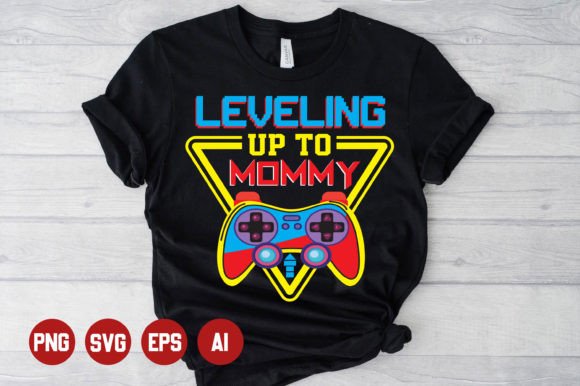
The same store that offers Gaming T-Shirt Design-4 often includes complementary designs that broaden your creative range. “Leveling Up to Mommy” is one such example—a playful twist that merges gaming culture with motherhood. It appeals to parents who want to celebrate a new baby, a birthday, or simply their identity as a gamer mom. When placed alongside a more general gaming design, it shows how the digital file format can serve both broad audiences and niche personal statements.
The store’s mention of an Autism T-Shirt Design signals another practical layer. Families and support organizations frequently look for ways to pair interests like gaming with autism advocacy. A design that starts with a gaming theme can be recolored to include the puzzle piece or multicolored ribbon symbolism, or simply used as a neutral backdrop for custom awareness messages. Having this flexibility in one file means one purchase can support a child’s gaming party shirt and, later, a community walk shirt for the same family.
For someone weighing their options, recognizing that a single design file can pivot between casual fun and meaningful support is a significant decision factor. It reduces the need to buy separate files for different occasions, provided the core aesthetic works for both.
Ultimately, the value of any digital design file rests on how well it bridges your creative intent with the practical demands of printing and personalization. Gaming T-Shirt Design-4 and similar vector-based downloads offer a reusable, high-quality starting point. By understanding their strengths, knowing when they might not be ideal, and seeing how they relate to adjacent themes like parenting or advocacy, you can make a more confident choice that fits your specific project and long‑term needs.