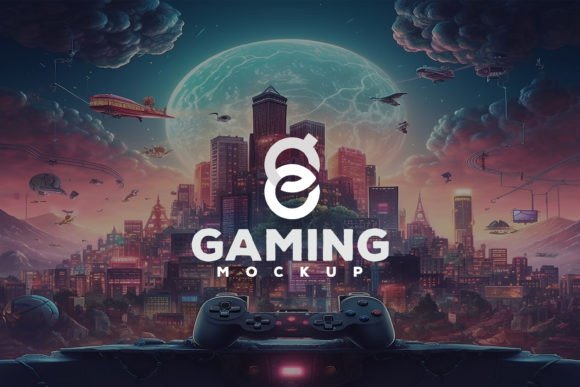
When a Gaming Desktop Background Neon Tech Becomes the Creative Engine You Didn't Know You Needed
There is a certain magnetism to neon. It glows, it hums with synthetic energy, and it pulls you straight into a futuristic headspace. A Gaming Desktop Background Neon Tech image captures that exact feeling. But here is the surprising part: this is not really about making your computer screen look cool. It is about having a high-resolution visual asset that can be reshaped, remixed, and repurposed across dozens of creative projects. The file itself comes in at a massive 5824 x 3264 pixels, which means you are working with an ultra high quality background texture that refuses to pixelate no matter how you crop it, zoom it, or stretch it across a layout.
People often download a desktop wallpaper and stop there. That is leaving serious creative potential on the table. The real value of a Gaming Desktop Background Neon Tech texture lies in its flexibility as a design element. The neon streaks, the deep atmospheric shadows, the subtle grid patterns—all of these components can serve as the foundation for product covers, digital planner pages, website hero sections, and even printed merchandise. Because the license allows transformation, you can add typography, blend modes, color grading, and graphic overlays to make something entirely yours. What you cannot do is resell the original file unchanged, and that distinction matters for anyone building a commercial creative workflow.
The Texture That Works Harder Than a Simple Wallpaper
Let us step away from the word “wallpaper” for a moment and think about this as a background texture. A texture with neon tech aesthetics carries a specific emotional signature. It suggests speed, precision, night-time creativity, and digital sophistication. That mood translates surprisingly well into industries far removed from gaming. A freelance graphic designer working on an ebook cover for a cyberpunk thriller will find the color palette and light bleed effects immediately useful. A small business owner designing a promotional flyer for a tech meetup can use darkened sections of the image to place white text with high contrast. A YouTube content creator can grab a cropped portion for a thumbnail background and achieve a professional look in seconds without building a scene from scratch.
The resolution is a quiet superpower here. At 5824 pixels wide, you can pull a tight 1920 x 1080 frame from any corner of the image and still have enough detail for a sharp cover layout. This wide canvas means you are not stuck with the original composition. You can isolate the left side where the neon glows softly, or the right side where cables and circuitry-like details fade into black. Every project gets a custom look from the same source file.
Content Creators and the Visual Arms Race
Scroll through any social platform and you will notice something: the visual bar keeps rising. Thumbnails, Stories backgrounds, Pinterest pins, and video overlays compete for attention in fractions of a second. A Gaming Desktop Background Neon Tech gives creators a shortcut to moody, high-energy visuals without hiring a 3D artist or spending hours in Blender. The neon tech aesthetic is currently popular across tech review channels, gaming streams, synthwave music content, and coding tutorial videos. By using sections of this background as a base layer, a creator can maintain a consistent brand atmosphere across all their content.
Consider a streamer who uses the darker peripheral areas of the image for their overlay panels. The subtle glow behind semi-transparent boxes creates depth without distracting from gameplay. Meanwhile, the same creator takes a brighter section and uses it as a “Starting Soon” screen background with some blurred text overlays. From one file, they extract multiple brand-consistent assets. Practical, fast, and visually cohesive.
Digital Planners, Ebook Covers, and the Print-on-Demand Opportunity
There is a growing community of digital planner sellers, printable art shop owners, and low-content book publishers who constantly need fresh backgrounds. A Gaming Desktop Background Neon Tech file, thoughtfully transformed, can become a planner divider page, a section cover, or a full notebook cover design. The neon elements provide natural focal points where titles and dates can sit. Because the license mandates transformation, sellers must blend the image with text, graphics, or other elements—which is exactly what a good cover design would do anyway.
Here is a practical observation: dark backgrounds with neon accents perform well in certain niches. Tech planners, gaming journals, coding notebooks, and futuristic bullet journals attract buyers who want their organizational tools to reflect their interests. With the right edits, one background file spins out into multiple products across a shop. The key is never reselling the JPEG as-is. Always embed it into a larger composition where your design work is the primary value add.
Website Backgrounds and Hero Section Atmospheres
Web designers looking for a dramatic above-the-fold impact can crop the Gaming Desktop Background Neon Tech image into a wide banner format. The neon glow naturally guides the eye toward center-aligned or left-aligned headlines. Pair it with a bold sans-serif font in white, and you have a hero section that feels modern and energetic. This is especially effective for SaaS landing pages, gaming community sites, esports portals, and tech event registration pages.
Another approach is using the background as a subtle animated texture—export a static crop, add a gentle CSS gradient overlay on top, and you suggest movement without heavy video files slowing down page load. The image's resolution ensures that even on high-DPI displays, the background stays crisp. Designers often underestimate how much a single well-chosen texture can reduce the need for multiple design assets, but this is exactly the kind of file that pulls triple duty across a site.
Mobile Wallpapers, Lock Screens, and Apparel Mockups
The portrait crop is an underused technique. Take a vertical slice of the 5824 x 3264 canvas, rotate if needed, and suddenly you have a mobile wallpaper with the same neon tech energy. Phone lock screens, tablet backgrounds, even smartwatch faces can pull from this source. For apparel mockup designers, placing a transformed piece of the texture onto a t-shirt or hoodie mockup creates a cyberpunk streetwear vibe that appeals to a specific buyer demographic. The key here, again, is transformation. Overlay a graphic, adjust the blend mode, add distressing effects, and the original file becomes a foundational ingredient rather than the final product.
Music Visualizers, Video Loops, and Motion Graphics
Video editors and motion designers can treat the Gaming Desktop Background Neon Tech JPEG as a high-quality matte painting or environment plate. Drop it into After Effects, add some particle overlays and a subtle camera pan, and a static image becomes a cinematic background for lyric videos or podcast audiograms. The neon elements respond well to glow effects and color grading, allowing editors to shift the mood from electric blue to hot magenta without losing the structural detail of the texture. The generous dimensions leave room for Ken Burns-style slow zooms without revealing edges or causing softness.
Understanding the License Boundaries Clearly
This is where many people trip up. The license says you can use the image to make other products to sell, but you must transform it and you must not resell the original file. What does transformation actually mean in practice? It means the end product should not be someone buying the JPEG alone. If you are selling a planner cover, the image must be part of a layered design with typography, color adjustments, and additional graphic elements. If you are selling a social media template, the background should be modified enough that someone cannot extract the original image from your file. Think of it as the difference between reselling flour versus selling a baked cake. The flour is an ingredient; the cake is your product.
Also, simply adding a filter does not always count as meaningful transformation. The spirit of the license expects you to integrate the image into a larger creative work. This protects the original creator and also pushes you to make something genuinely new. For most designers, this is second nature because they were never planning to resell the image outright anyway.
Practical Considerations Before Using the Texture
First, because this is a JPEG file, you are working with a compressed format. The ultra high resolution mitigates compression artifacts for most uses, but if you plan to print at very large sizes, inspect the file at 100% zoom to ensure the texture meets your standards. For digital products, the quality is more than sufficient. Second, the neon color palette leans into specific moods—cyberpunk, synthwave, futuristic tech—so consider your target audience before building an entire brand identity around it. A wedding planner business might find the aesthetic mismatched, but a coding bootcamp or an indie game studio would feel right at home.
Another consideration is file management. A 5824 x 3264 pixel JPEG is not small. Keep your working files organized, and consider creating a set of pre-cropped sections for different use cases so you are not reopening the massive file for every small task. This saves RAM and keeps your design software responsive.
Different Users, Different Wins
A freelance graphic designer uses the Gaming Desktop Background Neon Tech as a shortcut to mood boards and client pitch decks. A small print shop owner uses it as a background layer for custom phone case prints. A Twitch streamer pulls multiple overlay elements from the same image. A digital course creator builds a futuristic slide deck template. A musician repurposes the neon glow for an album artwork mockup. The throughline is this: one asset, properly transformed, solves multiple creative problems across industries that often do not overlap.
That is the quiet brilliance of working with an ultra high quality background texture. It does not prescribe a single use. It waits for you to decide what it becomes. And with the right blend of design skill and license awareness, it can become almost anything.