The Versatility of Gaming Asset 3D Icon Pack Vol 3 for Modern Digital Design
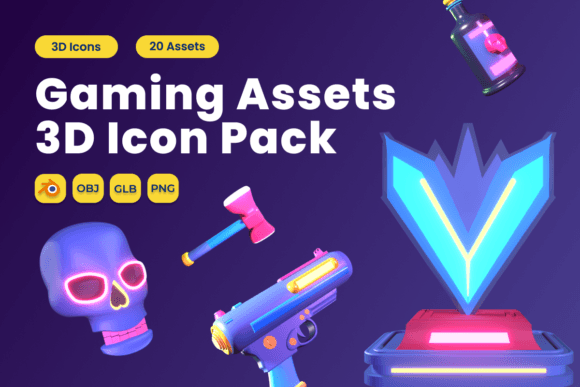
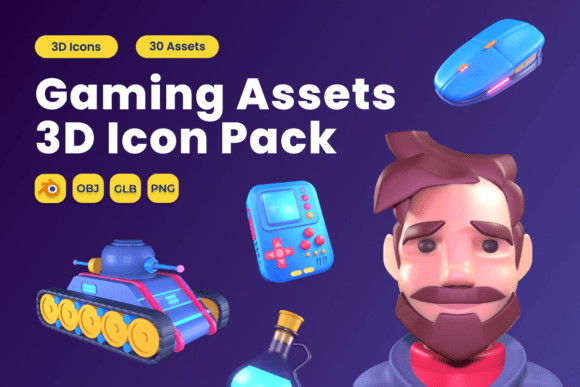
In the realm of digital design, visual assets are the building blocks of user experience and brand communication. For projects steeped in gaming culture, from enthusiast websites to professional development interfaces, finding a coherent and high-quality set of graphical elements can define the success of the entire endeavor. The Gaming Asset 3D Icon Pack Vol 3, alongside the Video Games Icon Pack, represents a significant resource in this space, offering a specialized toolkit designed to meet the diverse needs of contemporary creators.
Core Characteristics of a Professional Gaming Icon Collection
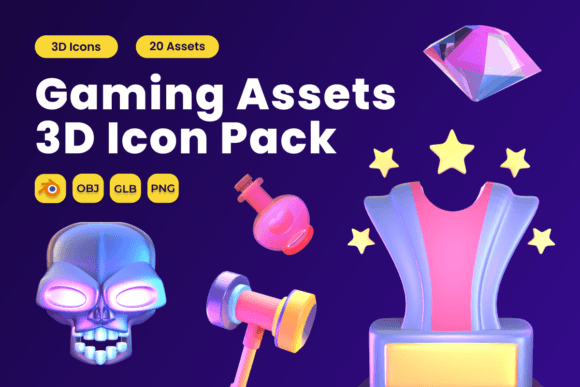
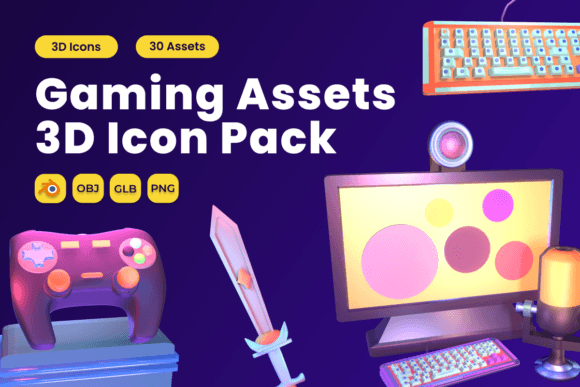
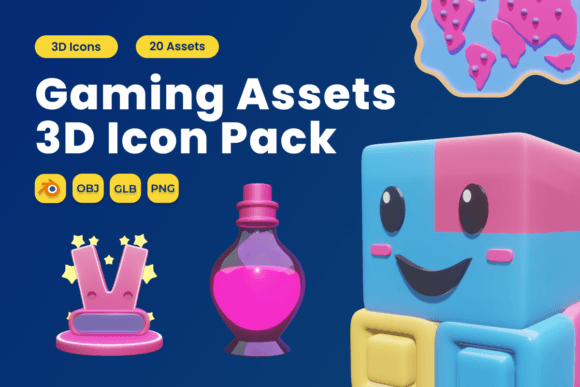
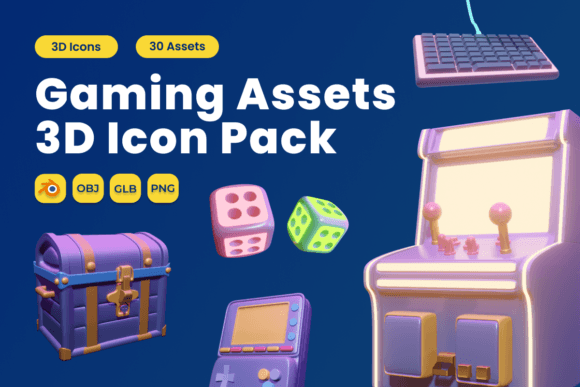
When evaluating any digital asset pack, its intrinsic characteristics determine its practical value. A collection like the Video Games Icon Pack is defined by several foundational qualities. The pack features an extensive range of meticulously crafted icons, each representing various aspects of the gaming world. This breadth is crucial, covering symbols from classic hardware to modern in-game actions, ensuring designers are not limited by thematic gaps.
The design philosophy behind these icons emphasizes precision and creativity. Each element is crafted to capture the essence of gaming, not merely through literal representation but through stylistic choices. The use of vibrant colors and engaging visuals is deliberate, aiming to evoke the energy and dynamism inherent to interactive entertainment. This thoughtful approach means each icon serves as more than a simple graphic; it becomes a visual shorthand for a broader concept, from "multiplayer" to "achievement unlocked," designed to bring a touch of gaming magic to your design projects.
Technical Specifications and Format Accessibility
The utility of any asset pack is heavily dependent on its technical delivery. This collection is structured for maximum compatibility and ease of integration. The included 30 3D icons are provided in multiple critical file formats. The presence of a BLEND file offers direct access for users of Blender, a popular open-source 3D suite, allowing for advanced modifications and animations. The OBJ file is a widely supported 3D model format readable by virtually all major 3D software, from Maya to Cinema 4D. The GLB file, a compact binary version of the GLTF format, is essential for real-time applications like web-based 3D viewers and game engines, facilitating modern web integration.
Additionally, the inclusion of PNG files addresses the immediate need for high-resolution 2D placement. These raster images are ready for use in any standard graphic design software, from Adobe Photoshop to Figma. Providing assets in various file formats and sizes ensures easy integration into nearly any design workflow, whether the project is a static marketing banner or an interactive app prototype.
Primary User Groups and Their Distinct Applications
The audience for such assets is broad, each group applying the icons in contexts that align with their specific objectives. For professionals such as UI/UX designers working on gaming apps or e-commerce sites for gaming hardware, these icons offer a ready-made visual language that enhances usability and aesthetic cohesion. They can streamline interface design, reducing the time spent sourcing or creating custom icons from scratch.
Content creators and hobbyists, including streamers, bloggers, and community managers, utilize these packs to elevate their visual content. Thumbnails, channel art, forum badges, and presentation materials gain instant thematic credibility. For educators and researchers focusing on game studies or digital media, the icons serve as clear, standardized visual aids in presentations, papers, and educational platforms, helping to illustrate complex concepts like game mechanics or platform ecosystems.
Perhaps a significant user segment is business owners in the gaming sector. Indie game studios, gaming cafes, or online retailers can deploy these icons across promotional materials, websites, and in-store signage. The professional quality of the pack lends an air of polish and legitimacy to their marketing efforts, helping to instantly seize the attention of potential customers. The consistent style ensures brand recognition is built on a solid visual foundation.
Real-World Implementation in Design Projects
Consider a practical scenario: designing a website for an indie game launch. The designer needs icons for navigation sections like "Download," "Features," "Community," and "Support." Using the Video Games Icon Pack, they can assign a relevant, stylized 3D icon to each menu item, creating an immersive and intuitive user journey. The 3D aspect, especially when used in interactive formats like GLB, can add a layer of engagement as icons might respond to mouse-over events.
For app interfaces, such as a companion app for a major game title, consistency is key. The comprehensive set of elements allows the designer to level up the app's visuals across all screens—from the login page using a controller icon to the settings menu using a gear symbol rendered in the pack's distinctive gaming style. This uniformity strengthens the user's subconscious association between the app and the core gaming experience.
Advantages of Using a Specialized Asset Pack
Opting for a dedicated pack like Gaming Asset 3D Icon Pack Vol 3 over generic icons or individually sourced assets presents clear advantages. The foremost benefit is time efficiency. The curation and completion of a set mean designers can bypass the lengthy process of searching, licensing, and testing disparate icons. This efficiency translates directly into faster project turnaround and lower labor costs.
A second, critical advantage is visual consistency. All icons share a common design lineage—the same color palette, lighting model, geometric style, and level of detail. This consistency is nearly impossible to achieve when mixing assets from different creators, and it is vital for professional-grade outcomes. It ensures that every visual element on a page or screen feels part of a unified family, enhancing the overall design integrity.
Furthermore, the multi-format delivery offers a strategic advantage. It empowers designers to future-proof their work. Starting with PNGs for a basic website is simple, but having the original 3D files (BLEND, OBJ) means the same assets can be adapted later for a more advanced project, like an animated promotional video or a VR storefront, without needing to find new resources.
Considerations for Potential Users
While the benefits are substantial, informed users should also weigh certain considerations. The pack's style, while versatile, is explicitly gaming-themed. It may not be suitable for projects that require a more neutral or corporate aesthetic unless the gaming context is directly relevant. Users must assess if the vibrant, playful nature aligns with their brand's tone.
Another consideration is technical skill. While the PNG files are universally usable, fully leveraging the 3D file formats requires familiarity with 3D software. Users who only work in 2D design environments will primarily utilize the raster images, which is perfectly valid, but they would not exploit the full potential of the pack. Therefore, evaluating one's own workflow and skill set is an important step before integration.
Finally, the scope of the pack—30 icons—should be matched against project scale. For a very large website requiring hundreds of unique icons, this pack would serve as a excellent core set but would need supplementation. However, for many common projects like landing pages, app dashboards, or presentation decks, 30 carefully chosen icons can be more than sufficient.
The Role in Current Design Trends and Workflows
Modern design trends increasingly favor immersive, thematic experiences. The use of 3D elements in web and interface design is growing, driven by advancements in WebGL and real-time rendering. A pack that provides true 3D source files, like this one, positions users at the forefront of this trend. Designers can create interfaces where icons have depth, can be rotated, or can interact with light, moving beyond flat design.
In terms of workflow, the asset pack aligns with the modular, systems-based approach prevalent in contemporary design. Design systems and component libraries rely on consistent, reusable assets. The Video Games Icon Pack can be ingested directly into such a system, becoming a governed part of a company's design language, ensuring that all team members—from designers to marketers—use the same approved visuals, maintaining quality and coherence across all outputs.
Ultimately, resources like the Gaming Asset 3D Icon Pack Vol 3 and the Video Games Icon Pack are more than just collections of graphics. They are structured solutions that address a clear market need for professional, themed design assets. By explaining their characteristics, user applications, and practical advantages, we can appreciate their role as tools that empower a wide spectrum of individuals and businesses to communicate more effectively within the vibrant world of gaming culture and beyond.