What Is Gaming Ecommerce? A Practical Guide
Gaming ecommerce might sound like two separate worlds colliding, but it's actually a fast-growing space where digital storefronts, in-game purchases, hardware sales, and gaming-related merchandise all come together. Simply put, it covers any online buying or selling that revolves around video games—whether that’s a player grabbing a new title from a digital store, a streamer ordering custom RGB gear, or a studio selling virtual items inside a game. It’s commerce built specifically for the gaming lifestyle, and it comes with its own set of needs, expectations, and visual language.
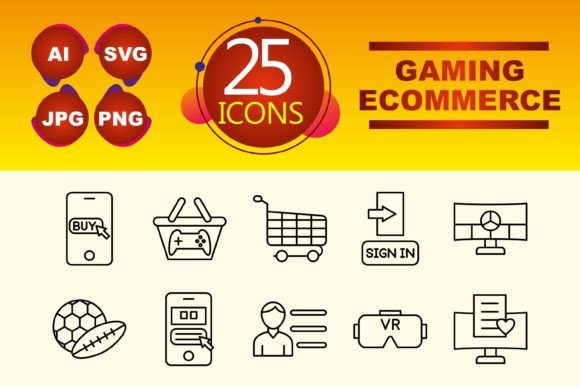
One thing that sets this niche apart is how visual and interactive everything needs to be. Gaming audiences are used to slick interfaces, dynamic animations, and icons that instantly make sense. That’s where design elements like the Gaming Ecommerce relative icons come in. This particular set includes 10 clean line‑style icons, built to support mobile apps, website templates, presentations, infographics, and even user interface design templates. With file types that include AI, JPG, PNG, and SVG, these icons can slide right into almost any project, helping you create a cohesive look that gamers instinctively trust and understand.
Why Gaming Commerce Feels Different from Regular Online Shopping
If you’ve ever shopped for a physical product and then browsed a gaming marketplace, you’ll notice the energy is different. Gaming ecommerce often needs to communicate speed, prestige, progression, and community—often all at once. Users aren’t just making a transaction; they’re enhancing an experience. A new skin can change how a character feels, a mechanical keyboard might improve reaction times, and a pre-ordered expansion can mean a weekend planned around a new adventure. So the design language around these transactions has to support that emotional layer, not just list a price.
Because of this, the visual cues matter enormously. Line icons, for example, are especially popular in gaming UIs because they remain readable on dark backgrounds, scale beautifully on different screens, and don’t distract from the high-energy artwork that usually dominates a gaming page. The Gaming Ecommerce icons mentioned here follow exactly that philosophy: simple strokes, universally understood symbols, and a style that fits seamlessly into dashboard menus, product cards, checkout flows, and loyalty program badges.
Who Actually Uses Gaming Ecommerce (And Why)
It’s easy to think this is just for big studios and game publishers, but the reality is much broader. Here are some of the key groups drawn to the gaming commerce space and what they typically need:
- Content creators and streamers setting up branded merch stores or affiliate links for peripherals.
- Independent game developers selling digital copies, soundtracks, or in‑game currency directly from their own sites.
- Esports organizers offering ticket sales, team jerseys, and exclusive virtual goods.
- Online retailers specializing in gaming PCs, consoles, accessories, and collectibles.
- Educators and course creators packaging game‑dev tutorials, esports coaching, or design assets.
- Hobbyists and modding communities selling custom skins, asset packs, or tool subscriptions.
For many of these individuals and small businesses, being able to quickly and professionally integrate visual elements—like the 10 line icons from this set—makes the difference between a site that feels trustworthy and one that looks incomplete. Even if you’re working on a tight budget, using consistent, purpose‑made icons helps visitors know they’re in the right place for their gaming needs.
Common Places You’ll See Gaming‑Commerce Icons in Action
Let’s get specific about where this kind of icon pack can be put to work. Because the files come in AI, JPG, PNG, and SVG formats, they aren’t locked to a single piece of software. That flexibility alone encourages real‑world use in unexpected ways.
Mobile Apps and Game Launchers
Mobile gaming storefronts and companion apps rely on crisp, lightweight graphics. SVG and PNG versions of line icons can label sections like “Library”, “Wallet”, “Friends”, and “Settings” while staying pixel‑perfect on high‑density screens. In‑app purchase screens often use simple cart, coin, or controller symbols that match what we see in this icon pack.
Website Templates and Landing Pages
Whether you’re promoting a crowdfunding campaign for a new game or building a themed ecommerce store on Shopify or WordPress, having matching icons for categories such as keyboards, headsets, chairs, and gift cards gives the page a polished feel. A Gaming Ecommerce landing page that swaps generic clip‑art for tightly designed line icons instantly looks more professional and intentional.
Infographics and Social Media Content
Marketers and bloggers who talk about gaming industry trends, hardware comparisons, or “top 10” lists can pull the PNG or SVG icons into graphics without losing quality. A timeline showing the growth of digital game sales becomes much more engaging when each milestone is marked with a small gaming‑related icon instead of a generic bullet point.
Presentation Decks and Pitch Materials
Entrepreneurs pitching a new gaming subscription service or educators running a workshop on digital commerce can use the AI files to customize colors and stroke widths, then drop the icons into slides. It adds a visual shorthand that helps an audience grasp concepts faster—a wallet icon for monetization, a gamepad for usability, a rocket for growth.
UI Design Templates and Prototypes
UI/UX designers building mockups for gaming‑themed apps can import the vector files directly into tools like Figma or Adobe XD. Since the icons are specifically related to gaming ecommerce, they match a real‑world use case instead of forcing designers to adapt generic business icons. This saves time during the ideation phase and helps stakeholders see a more realistic vision.
What Problems Do Purpose‑Built Gaming Commerce Icons Solve?
When you’re building anything related to gaming and selling online, a few challenges pop up repeatedly. First, there’s the trust barrier. Gamers are often security‑conscious and accustomed to established platforms. A checkout flow that uses recognizable symbols—like a shield for secure payment or a headset for support—can reduce anxiety and improve conversion. Generic icons often miss the mark; they feel sterile and disconnected from the gaming subculture.
Second, time and consistency are real pressures. Small teams rarely have the budget for a custom icon set from scratch. By picking up a ready‑made collection like the Gaming Ecommerce relative icons, a designer or business owner gains a unified set where each icon shares the same line weight, corner radius, and overall personality. That cohesion subtly signals professionalism across an app, website, or slide deck.
Third, accessibility matters. Good line icons maintain clarity even when the user scales text or switches to high‑contrast mode. Having SVG files means they stay crisp at any size, and they can be recolored instantly to meet WCAG contrast guidelines—something that’s much harder with raster‑only formats.
Realistic Scenarios to Bring the Concept to Life
Imagine a freelance web designer building a micro‑store for a client who sells custom gaming controllers. They need an icon for “build your own”, a shopping bag, a user account, and perhaps a trophy for a loyalty program. Instead of hunting across five different free icon sites with mismatched styles, they grab this ten‑icon set. In less than an hour, the site’s navigation and promo badges feel like they belong together.
Or picture a creator launching a coaching business for competitive gamers. They’re putting together a Notion template and a simple landing page to sell sessions. Using the included PNG icons, they quickly mark sections for “Practice Drills”, “VOD Review”, and “Payment Plans”. The line style matches the clean, modern aesthetic that resonates with their audience, and the files drop right into their page builder without costly editing software.
A more technical use: an indie studio integrates the SVG icons into their game’s built‑in store UI. The set includes a coin symbol, a locked item, a checkmark, and a download cloud. These are dropped into Unity or Unreal Engine’s UI toolkit, styled to match the game’s palette, and—because they’re vectors—work across all resolutions without texture blur.
Things to Keep in Mind Before You Choose Any Icon Pack
When considering the Gaming Ecommerce icons for your own project, it helps to think about a few practical points:
- File compatibility with your workflow. If you mainly work in raster‑based tools, having PNG and JPG is essential. If you need to animate or customize, the AI and SVG files will be your best friends. This pack covers both bases, which reduces friction when handing assets between team members.
- Style consistency with the rest of your brand. Line icons work wonderfully in minimal and modern interfaces, but they can feel out of place in a highly illustrated, cartoonish brand. Check that a clean line style complements your existing assets before committing. Fortunately, the gaming space already leans heavily toward streamlined UI, so the fit is often natural.
- Scalability beyond ten icons. Ten is a manageable number for a focused project—like a single app screen or a small website. If you plan to expand, ask yourself whether the same stylistic guidelines would let you commission or craft additional icons that match. Having the original AI vector file makes it easier to extend the set later.
- Licensing and usage terms. Always confirm what the included license allows. For most small businesses and personal projects, standard commercial use is enough. But if you’re rebranding and reselling the icons yourself, you’ll need to check extended permissions.
- Cultural relevance to your audience. A good gaming commerce icon relies on widespread symbols: a gamepad, a headset, a shopping cart, a gift card. These are nearly universal. You won’t waste time teaching users what each icon means, which helps keep your interface intuitive.
Where to Start Using Gaming Ecommerce Visuals Today
You don’t need a massive budget or a professional design background to put these ideas into practice. If you’re building a site on a platform like WordPress, Squarespace, or Shopify, swapping your default icons with a targeted set like this can be one afternoon’s work—and the impact on perceived quality is immediate. If you’re wireframing an app, placing the SVG files into your prototype helps stakeholders and testers get a more accurate feel for the final product.
Even for a small Etsy shop or a Gumroad page selling gaming templates, these icons help create a sense of category and trust. A “favorites” heart, a download arrow, or a controller‑shaped reward symbol can make the difference between a visitor bouncing and a visitor converting. And because the files are small in size and widely supported, you won’t slow down your page speed, which is critical for both SEO and user retention.
Ultimately, Gaming Ecommerce is about more than just setting up a store—it’s about building an environment where gamers feel understood. That environment includes speed, clarity, and a dash of personality. The right visuals, down to a simple line icon on a button, contribute to that feeling every time someone visits your property. Whether you’re a marketer explaining the rise of digital game sales in a presentation or a solo dev shipping a storefront for your first title, these small design decisions compound quickly. Having a reliable, cohesive set of icons that speaks the language of gaming and commerce together is a small but powerful step toward a more authentic, effective user experience.